
Blessing Iriaka
The United Nations Sustainable Development Goals (SDGs), adopted in 2015 as a global blueprint for peace, prosperity, and sustainability, are increasingly facing implementation challenges across the world.
Recent United Nations reports show that only about 15 to 18 percent of the SDG targets are currently on track globally, with many countries struggling under the weight of economic instability, climate change, conflict, poor governance, and shrinking development funding.
As the world inches closer to the 2030 deadline, conversations around partnerships, innovation, accountability, and local implementation have become more urgent than ever, especially in developing regions like Africa, where the continent’s youthful population presents both an opportunity and a responsibility.
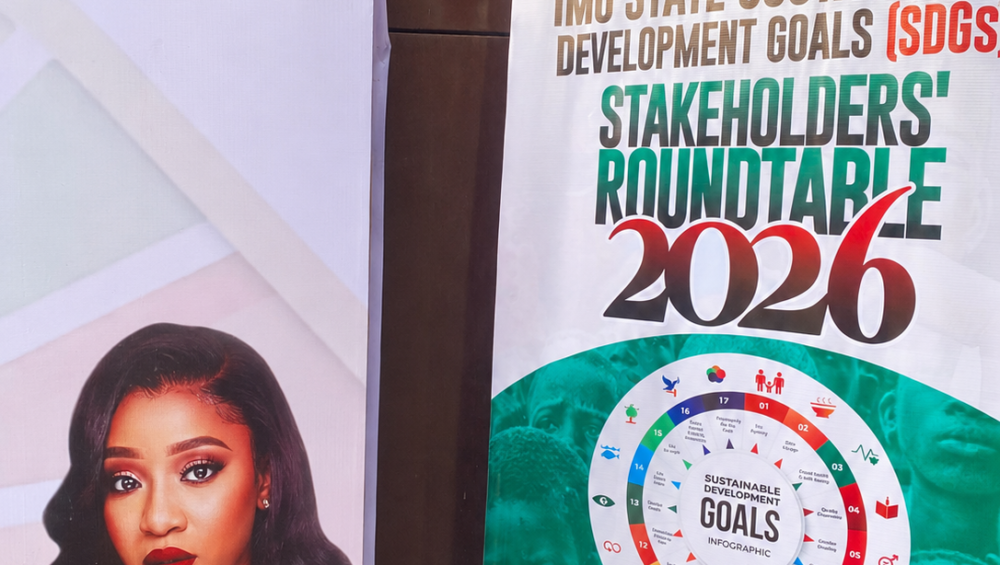
It was against this backdrop that the Senior Special Assistant (SSA) to the Governor of Imo State on Sustainable Development Goals, Barr. Chinenyenwa Owuamalam, convened the SDG Roundtable 2026 in Owerri bringing together civil society organizations, non-governmental organizations, journalists, development advocates, and key stakeholders committed to sustainable development.
The event which happened on the 15th of May 2026, in Owerri had over fifteen stakeholder groups in attendance, which Harsco Media Communication (Harsco Global) was present amongst other NGOs and CSOs.
The gathering served as a platform for honest dialogue on the realities confronting SDG implementation in Imo State.
Participants at the event highlighted numerous challenges they continue to face in their work, including lack of institutional support, delayed government responses, poor collaboration between agencies and development actors, inadequate funding opportunities, limited grassroots awareness, and the hijacking or politicization of development projects by certain government institutions.
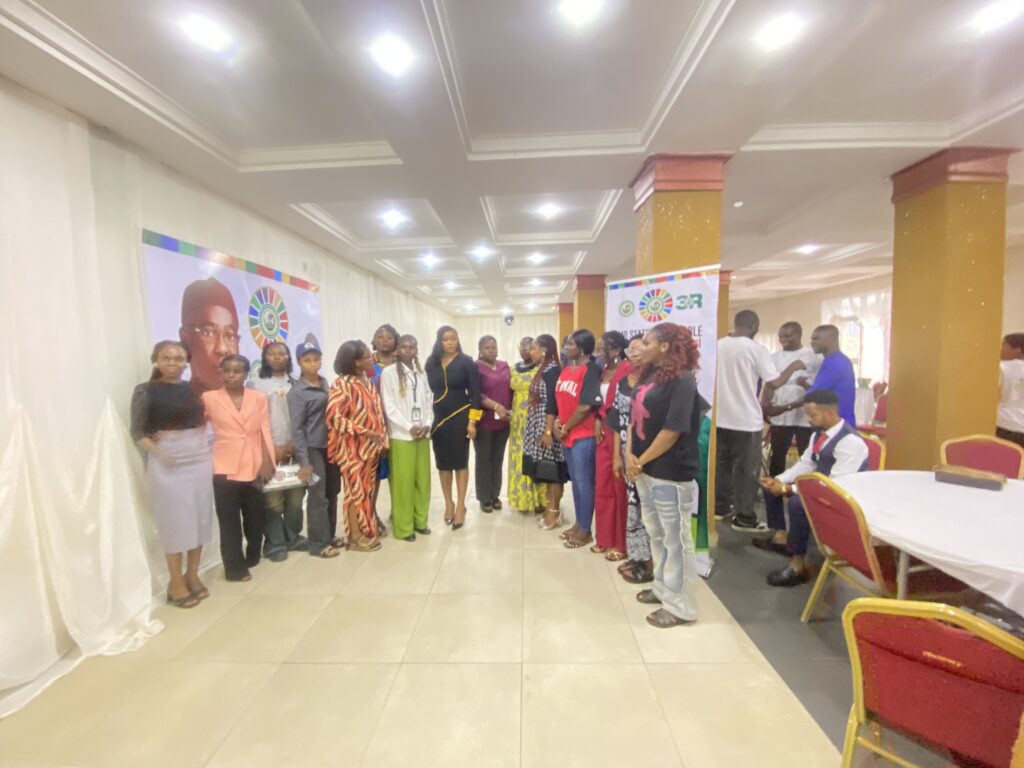
For many stakeholders present, the gathering represented more than just another conference, it was viewed as a necessary bridge between government and development actors who have long operated in silos despite pursuing similar goals.
One recurring concern raised during the deliberations was the absence of a structured and transparent framework for collaboration between the government, NGOs, CSOs, development partners, and the media in advancing the SDGs within the state.
Participants emphasized that sustainable development cannot be achieved through isolated efforts or ceremonial engagements, but through continuous stakeholder participation, measurable action plans, and accountability systems.
Stakeholders therefore described initiatives like the SDG Roundtable as timely and strategic.
The Technical Adviser to the SSA noted that many citizens, particularly at the grassroots level, still have little or no understanding of the Sustainable Development Goals despite how directly the goals affect their daily lives.
In her remarks, Barr. Chinenyenwa emphasized the importance of partnerships and collective responsibility in driving sustainable development.
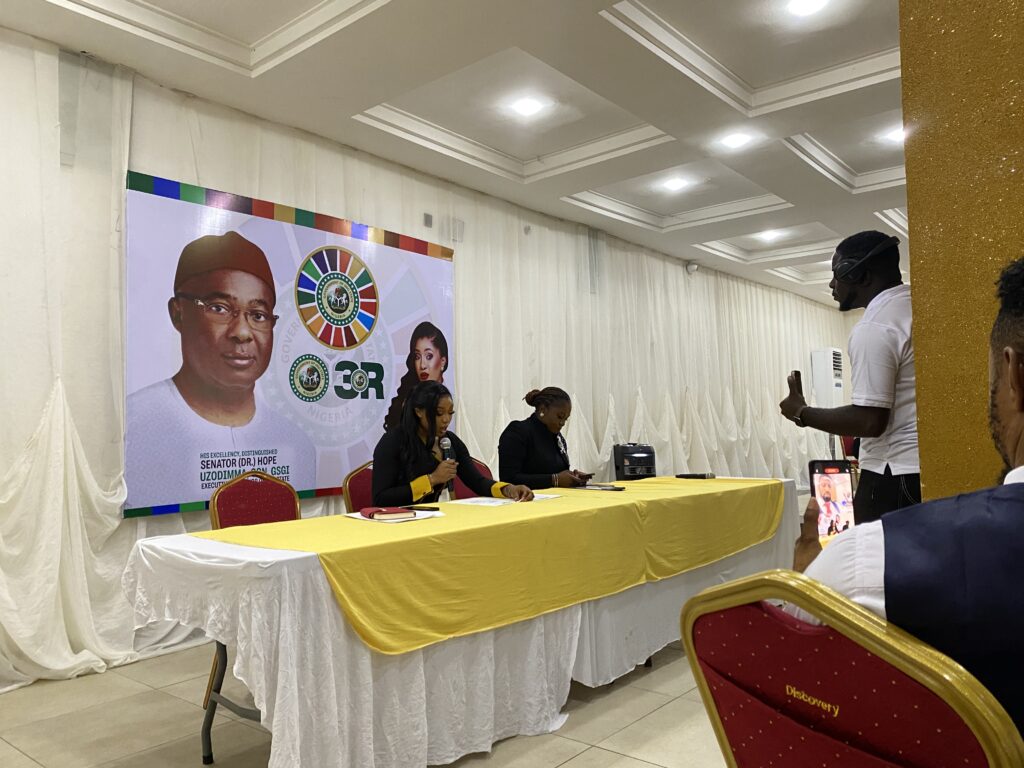
She noted that the office intends to build stronger relationships with civil society, media organizations, youth groups, and development actors in order to ensure more inclusive participation in SDG implementation across the state.
Beyond identifying problems, the roundtable focused significantly on solutions and the way forward. Stakeholders proposed the establishment of stronger multi-sector partnerships, increased transparency in development projects, improved access to grants and funding opportunities, periodic SDG progress reporting, and the creation of sustainable community-driven initiatives capable of producing measurable impact.
The event ultimately ended on a hopeful note, with participants expressing optimism that consistent dialogue, political will, and collaborative action can reposition Imo State as an active contributor to the achievement of the Sustainable Development Goals.
As 2030 draws nearer, one message from the roundtable remained clear: achieving the SDGs will require more than global declarations and policy documents. It will demand deliberate local action, inclusive governance, empowered youth participation, and sustained collaboration among all stakeholders.