
Her Hope and Future Impact Initiative (HHFI), a non-governmental organisation (NGO), has reached approximately 1,200 pupils and students in three schools in Ehime Mbano Local Government Area of Imo State through a back-to-school campaign to commemorate the International Day of the Girl Child.
The campaign combined educational assistance with menstrual health support for girls, including the distribution of school bags, exercise books, pens, pencils and other learning materials, as well as the payment of school fees for some students and West African Examinations Council (WAEC) fees for beneficiaries requiring financial assistance.
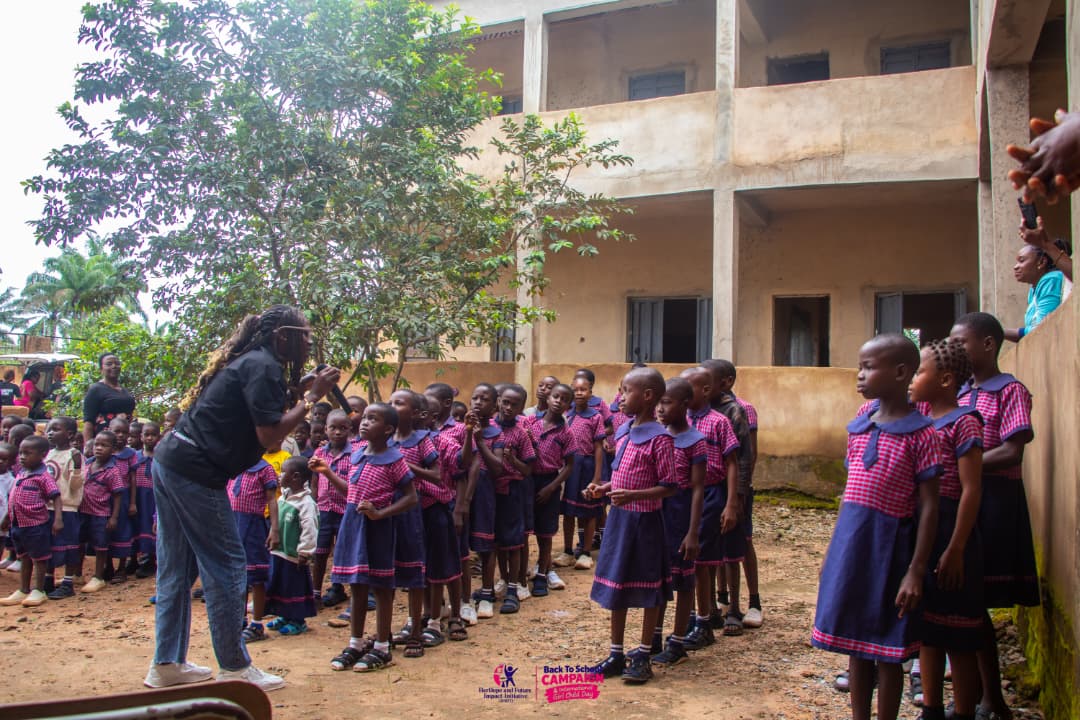
The initiative covered Central School Umueze 1, Central School Agbaja and Mercy Girls High School, Umuezealla Owerri, where secondary school girls also received sanitary pads to support menstrual hygiene and promote dignity in education.
The International Day of the Girl Child, observed annually on October 11, draws global attention to the rights, challenges and opportunities of girls, including access to education, healthcare, protection and equal opportunities.
The day also provides an opportunity for governments, civil society organisations and communities to examine barriers preventing girls from reaching their full potential, particularly those arising from poverty, discrimination and inadequate access to essential services.
HHFI’s intervention sought to address some of these challenges by providing educational materials and financial assistance to vulnerable pupils and students, while recognising menstrual health as an important aspect of girls’ school participation and well-being.
Speaking on the outcome of the project, the foundation’s Project Manager, Agbakwo Chidiebere Magnus, described the exercise as a significant milestone for the newly established organisation and its commitment to community development.
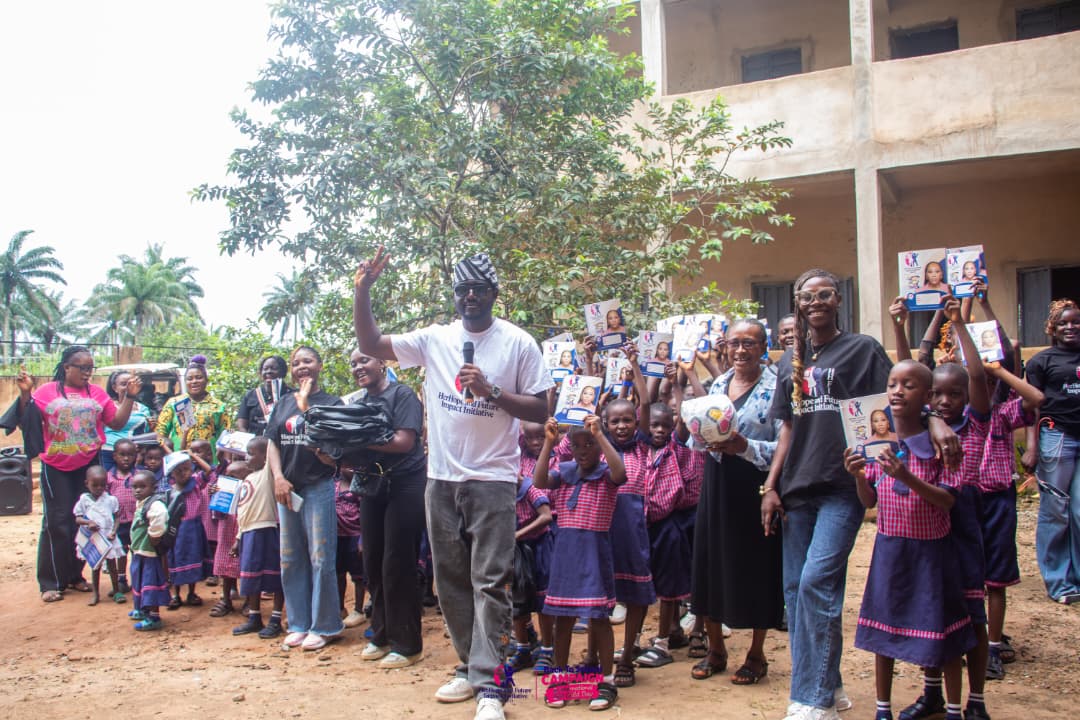
He said the founder, Nurse Ngozi Echeru, was determined to ensure that the three selected schools benefited from the campaign, adding that the intervention reflected the foundation’s commitment to supporting children from disadvantaged backgrounds.
Magnus expressed appreciation to Echeru for her vision and dedication, while acknowledging the sponsors, supporters and volunteers whose financial contributions, time and resources helped facilitate the project.
He said the collaboration among the foundation’s leadership, project team and supporters demonstrated the role community-driven initiatives could play in addressing educational and social challenges.
Beyond the distribution of learning materials, the payment of school and examination fees was intended to ease the financial burden on families struggling to meet the costs of keeping their children in school.
For girls, access to sanitary pads formed another component of the intervention, highlighting the need to integrate menstrual health into broader efforts to improve educational inclusion.
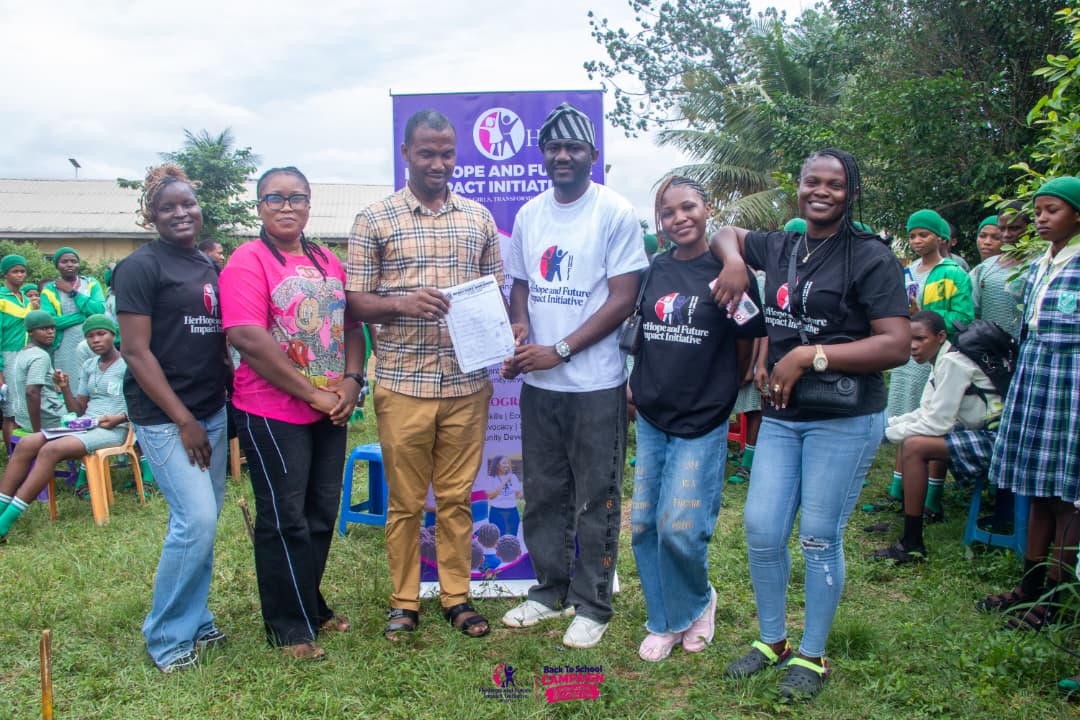
Financial constraints, inadequate learning materials and the cost of menstrual hygiene products can compound the difficulties faced by vulnerable children, particularly girls from low-income households. Addressing these needs can help reduce some of the barriers to school attendance and participation, although sustained progress requires continued support from families, communities, government and development partners.
HHFI said its broader mission extends beyond education to include support for young girls, single mothers and older persons, groups it considers vulnerable and in need of targeted assistance.
Although the campaign was the foundation’s first official project, the organisation said it intended to build on the outreach to expand its interventions in underserved communities.
The foundation put the number of students reached at approximately 1,200. However, details of the number of beneficiaries in each school, the total amount spent on the project and the number of students whose school and WAEC fees were paid were not provided.
Such information would help assess the scale of the financial assistance and provide a basis for measuring the programme’s longer-term impact on school participation and retention.
As the world marks the International Day of the Girl Child, the intervention in Ehime Mbano highlights the importance of practical, community-level action to support girls’ education, menstrual health and access to opportunities.
For HHFI, the campaign represents an initial step towards its stated goal of helping vulnerable children remain in school while extending support to other disadvantaged groups in society.