
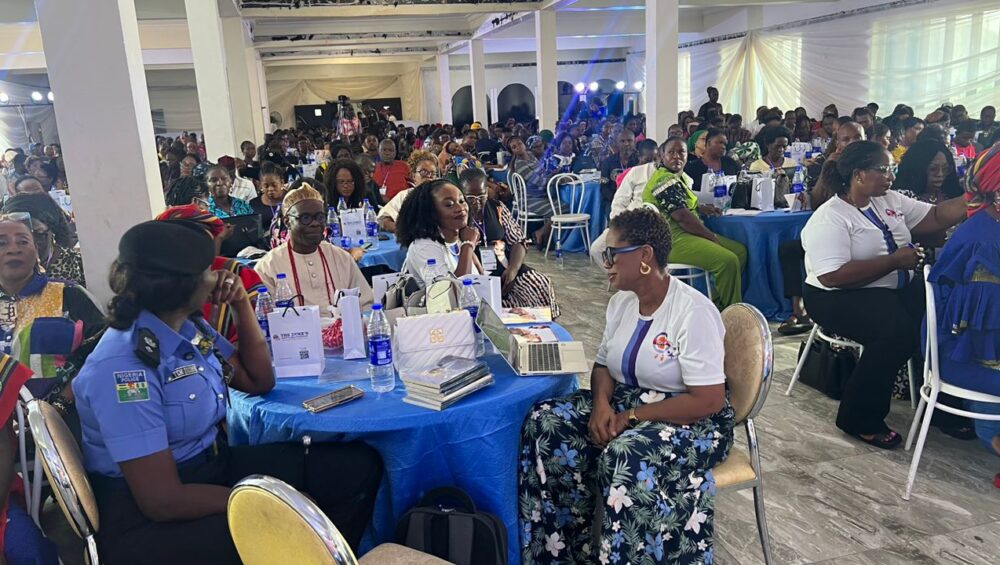
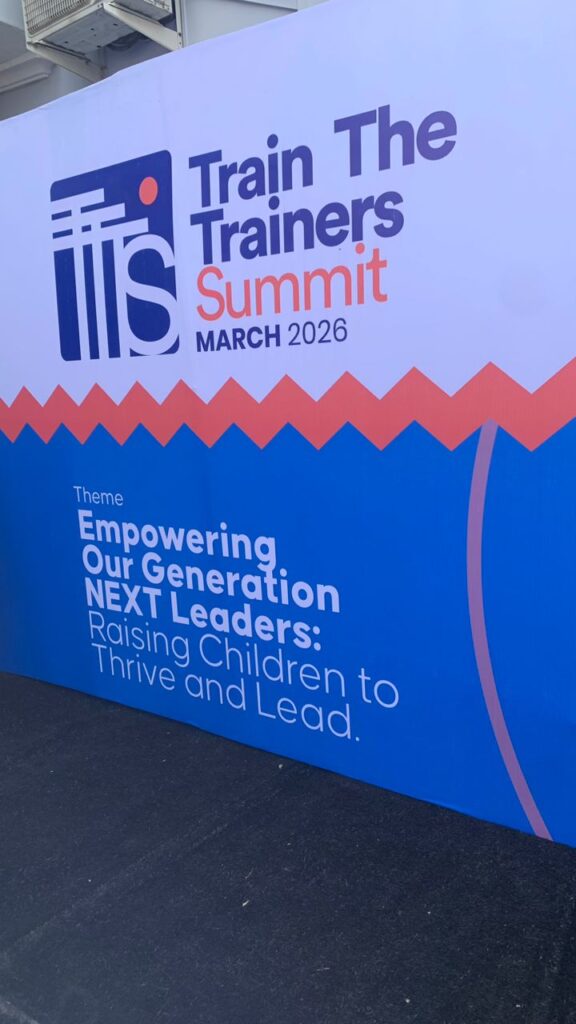
The National Orientation Agency (NOA), Imo State, in partnership with Duke’s Infant and Child Foundation, engaged parents, educators, community leaders, faith-based organisations and youth leaders in the “Train the Trainers Summit” held on Thursday, March 5, 2026, at the Events Place Centre in Owerri, Imo State, to address growing concerns about the social and emotional development of children and the need to prepare them for responsible leadership.

The summit, themed “Empowering Our Next Generation Leaders: Raising Children to Thrive and Lead,” focused on practical strategies for nurturing value-driven children capable of contributing to national development.
The summit emphasised that the responsibility of shaping the next generation can no longer be left to schools alone but requires deliberate collaboration between families, educators and communities. The intervention comes at a time when educators and development practitioners warn that rapid social change, digital exposure and weakening family structures are influencing children’s behaviour and emotional development.
According to global education data from UNICEF and UNESCO, nearly one in three young people worldwide struggle with emotional or social challenges linked to digital exposure, poor mentorship and weak family engagement, making structured guidance increasingly important.

Delivering the keynote address on “Parents, Where Are You?” development advocate Akinrepo Akinola said many parents have reduced parenting to economic provision, forgetting the deeper responsibility of identity formation and moral guidance. He warned that children today are navigating “a world saturated with unseen influences,” noting that constant distractions from technology, social pressures and competing values require stronger parental engagement than ever before. According to him, parenting is no longer a private responsibility but a collective social duty, urging parents to deliberately connect with their children and help them understand their roots, culture and personal identity.
Speaking on “Emotional Intelligence: The Missing Link in Empowering the Next Generation,” education consultant Dr. Rhoda Odigboh described emotional intelligence as the ability to perceive, understand, manage and effectively use emotions to guide behaviour and decision-making. She explained that many children struggle with empathy, resilience and interpersonal relationships because emotional development is rarely included in traditional child-training approaches. Odigboh identified key competencies required for emotional intelligence: self-awareness, self-management, social awareness and relationship management, arguing that leadership capacity in young people must be intentionally cultivated rather than assumed to emerge naturally.

Another speaker, youth development advocate David Folaranmi, addressed the rising threat of substance abuse and behavioural addictions among young people. Speaking on “War Against Addiction,” he described addiction as a chronic brain disorder characterised by compulsive engagement in harmful behaviour despite negative consequences. Folaranmi stressed that prevention must be prioritised because addiction often has no definitive cure, calling for early education, mentorship and protective social environments to reduce the vulnerability of children to substance abuse and other destructive habits.
In her presentation titled “The Connected Parent and Teacher,” education advocate Barr. Doris Chinedu Okoro argued that meaningful learning cannot occur without an emotional connection between educators and students. She noted that many children in schools today struggle with strained relationships, emotional withdrawal and lack of motivation, conditions she attributed partly to disconnection between teachers and students. According to her, effective teaching begins with relationship-building, stressing that “connection must come before correction and relationship must come before results.”
Augusta Olachi Anyanwu, the convener of the summit, said the initiative was designed to bring together all stakeholders responsible for shaping children’s lives and to close the gaps in parenting, mentorship and education. She explained that the “train the trainers” model aims to create a ripple effect in which participants, including teachers and community leaders, return to their schools and communities to replicate the training. According to her, the programme will also track impact through participant registration and follow-up assessments to ensure that the knowledge gained translates into practical action.
She said the initiative was partly motivated by concerns about generational disconnect and the growing perception that younger generations lack discipline, resilience and national commitment. Anyanwu argued that such criticisms often overlook the role of adults in shaping children’s behaviour. She noted that economic pressures have forced many parents to focus primarily on financial survival, while teachers struggle with limited resources and declining motivation factors that collectively affect child development.
The summit also addressed broader national concerns, including youth migration and the search for opportunities abroad. Anyanwu urged participants to focus on rebuilding confidence in the country by raising children who believe in Nigeria’s future and are equipped to contribute meaningfully to national growth.

Teachers who attended the programme described the training as practical and transformative. Kingsley Ama’m, a teacher at Uzoagba Secondary School, said the summit highlighted the importance of building closer relationships with students in order to understand the personal challenges affecting their learning. According to him, many students come to school carrying emotional burdens from family environments, which often go unnoticed by teachers focused solely on academic performance. He said he plans to organise a mini-seminar for colleagues in his school to share the lessons learned at the summit.
Education experts say such initiatives are increasingly important as new generations of children grow up in a rapidly changing world. Generation Alpha children born from the early 2010s onward is expected to be the most digitally connected generation in history, with research from McKinsey & Company indicating that early social-emotional skills and mentorship will be critical to their ability to adapt to future economic and technological changes.
Organisers said the summit represents the beginning of a sustained campaign to strengthen family, school and community partnerships in raising responsible citizens, stressing that the long-term goal is to build a generation capable of leading Nigeria toward the future it desires.