
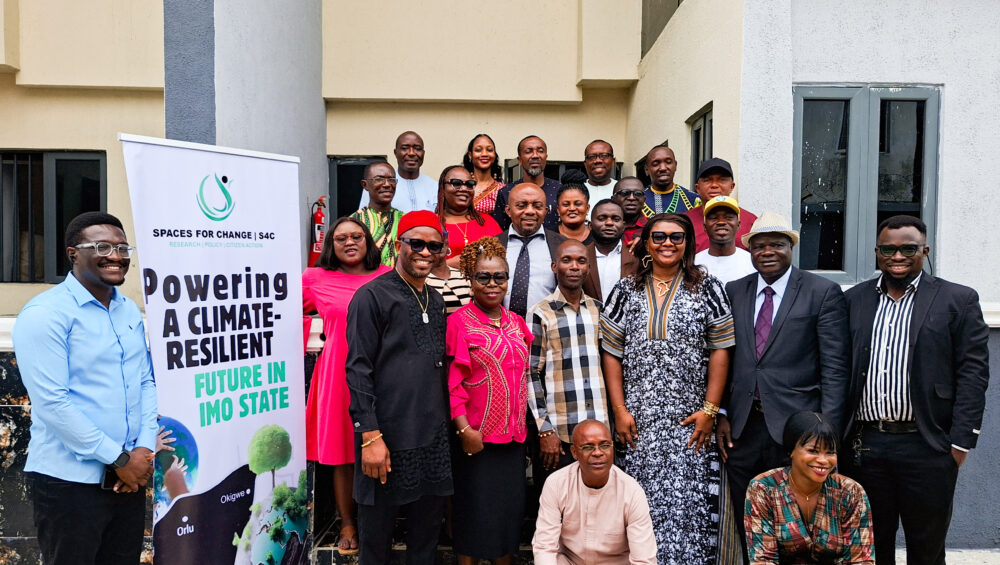
Space for Change (S4C), a leading non-profit organisation known for its expertise in policy development, research, and citizen action across Nigeria and West Africa, in collaboration with the Imo State Ministry of Environment and Sanitation and with support from the Ford Foundation, convened the second Steering Committee meeting on the Imo State Climate Change Action Plan on April 21, 2026, at its state office in Owerri.
Recall that on February 26, 2026, the State Climate Change Action Plan Committee was inaugurated—a milestone that brought together critical stakeholders from across ministries, departments, agencies, and traditional institutions to drive the development of a comprehensive and inclusive climate change action framework for the state.
In her welcome address, the Executive Director of S4C, Victoria Ibezim-Ohaeri, appreciated committee members for their commitment and consistency. She noted that over the past 20 months, the organisation and the Ministry of Environment have worked closely with diverse stakeholders toward drafting the climate change policy, describing the process as fruitful, participatory, and impactful. She emphasized that the policy was deliberately structured to ensure that the voices captured reflect the lived realities of the people of Imo State.
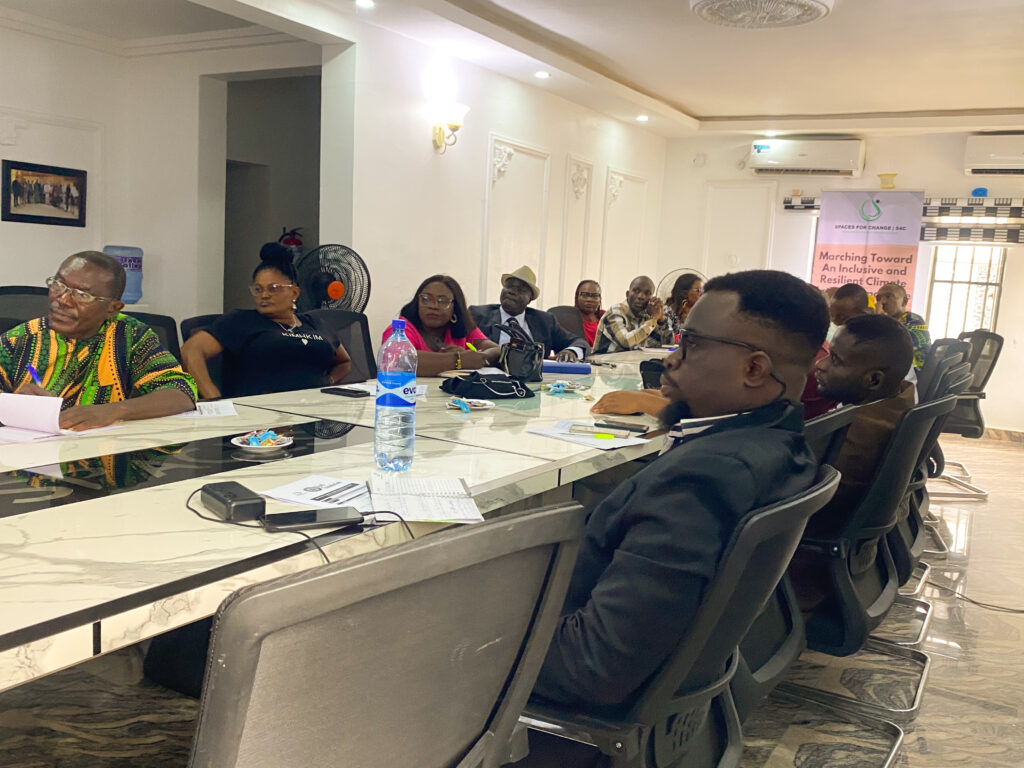
Ibezim also commended the Imo State Government for endorsing the drafted climate policy. She further stressed that no matter how well-crafted a policy may be, it remains ineffective without implementation. According to her, the essence of the ongoing engagements and Steering Committee meetings is to “give life” to the policy by ensuring it translates into actionable and measurable outcomes.
She also acknowledged the presence and contributions of key stakeholders drawn from the ministries of Environment, Education, Health, Transport, Lands, and other relevant agencies, noting that their collective input and collaboration are critical to producing a holistic document (Action Plan) that responds to the environmental and socio-economic needs of the state.
The Acting Permanent Secretary of the Ministry, Seconda Okoro, in his opening remarks, described climate change as one of the most pressing challenges of our time. He highlighted issues such as flooding, erosion, drought, and rising temperatures as major threats to livelihoods and sustainable development in the state. He reaffirmed the Imo State Government’s commitment to environmental sustainability and noted that the Steering Committee meeting represents a vital step toward developing practical, inclusive, and results-driven climate action strategies.
Also speaking, the Chairman of the House Committee on Environment, Hon. Innocent Ikpaemezie, expressed optimism about the progress being made, describing the gathering as a significant milestone. He noted that bringing together experts, policymakers, and traditional leaders signals a strong commitment to addressing environmental degradation and moving the state toward improved environmental management and sustainability.
In a similar vein, HRH Eze C.I. Ihejirika, Public Relations Officer of the Imo State Council of Traditional Rulers, commended the initiative and the inclusiveness of the process. He stressed that the involvement of traditional institutions alongside technical experts would enhance community sensitisation, ownership, and the overall success of the climate action plan.
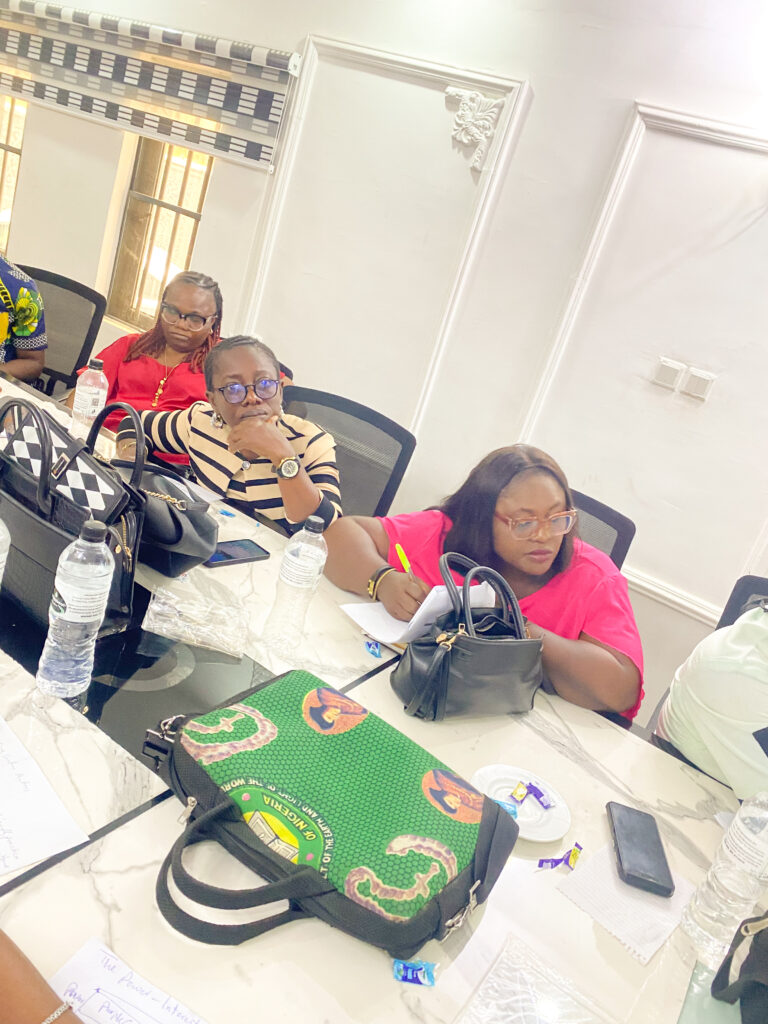
A major highlight of the meeting was a technical session led by international consultant Temple Chukwuemeka, who presented on stakeholder mapping and engagement strategies. The session featured interactive group work, where stakeholders identified their roles, outlined engagement approaches, and participated in co-creation exercises focused on developing diagnostic strategies and assessment frameworks. These collaborative exercises were designed to ensure clarity of responsibilities and strengthen coordination toward the effective implementation of the Climate Change Action Plan.
The meeting further reinforces Imo State’s growing commitment to climate action, setting the stage for the development of a robust, inclusive, and implementable Climate Change Action Plan that not only addresses environmental challenges but also aligns with the development priorities and realities of the people.