
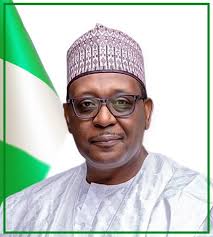
The Federal Government of Nigeria has announced renewed efforts to reduce reliance on foreign health funding while boosting local investment in the healthcare sector. The Coordinating Minister of Health and Social Welfare, Muhammed Pate, made this known during a high-level health security dialogue with the People’s Republic of China in Abuja, focusing on pandemic preparedness and response strategies.
Speaking at the event, Pate reflected on over three decades of international assistance, noting that while global support contributed significantly to healthcare development, the COVID-19 crisis exposed vulnerabilities in health systems worldwide. He stressed that countries must take primary responsibility for managing their healthcare systems, warning against overdependence on foreign aid for treating diseases such as malaria, HIV, and tuberculosis.
The minister revealed that Nigeria is targeting a gradual transition away from external health financing by 2030. According to him, increased domestic funding from both federal and state governments will drive this shift, alongside improved resource management. He added that efficient use of local resources can deliver outcomes comparable to foreign support while strengthening national ownership and equity in healthcare delivery.
Pate also emphasized Nigeria’s commitment to building balanced international partnerships rooted in mutual respect. He noted that while the country remains open to collaborations with partners from regions including the United States, Europe, and China, such engagements must align with Nigeria’s laws, policies, and financial priorities. He further highlighted the importance of global cooperation in addressing shared health challenges and advancing collective preparedness.
In a symbolic gesture during the dialogue, the minister honoured renowned Chinese virologist George Gao with a traditional Nigerian title in recognition of his contributions to global health. He explained that such honours, rooted in longstanding cultural traditions, celebrate individuals who have made meaningful impacts on society. Experts at the event also reiterated that strengthening pandemic preparedness remains essential, as gaps in readiness continue to limit the effectiveness of health systems worldwide.