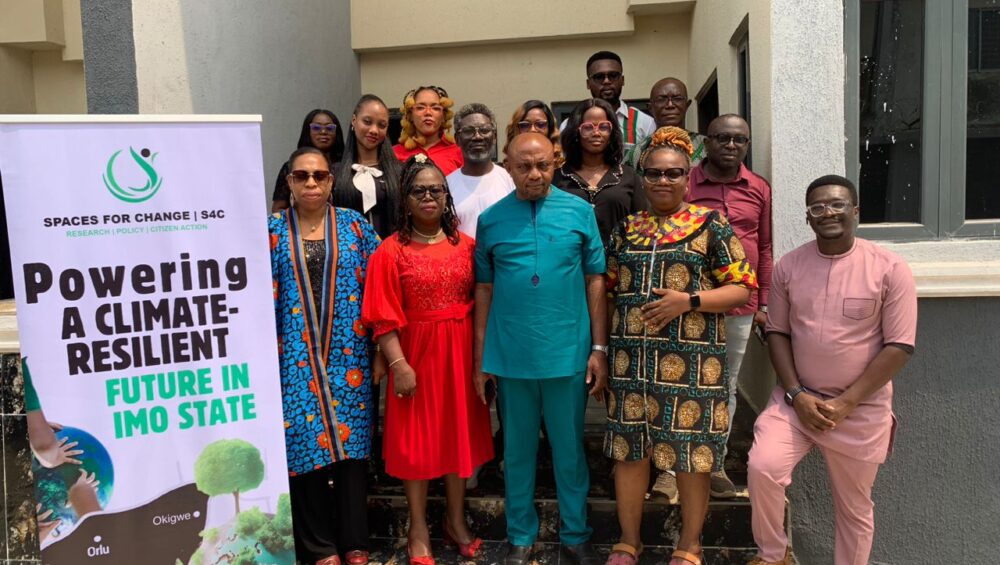
Space for Change, a research-driven civil society organisation recognised for integrating human rights into governance and amplifying community voices in policy processes across Nigeria, on Thursday, 26 February, in Owerri, Imo State, inaugurated a Steering Committee tasked with overseeing the drafting of the Imo State Climate Action Plan. The event marked another milestone in the organisation’s long-running climate governance work in the state, following its leadership in developing the state’s draft climate change policy.
Space for Change has been at the forefront of climate advocacy in Imo State, collaborating with the Imo State Ministry of Environment and Sanitation since late 2024 to shape a locally grounded climate policy. The culmination of that phase was the July 2025 formal handover of a draft climate change policy to state authorities, a process that involved broad community engagement, technical consultations and iterative reviews to ensure the document reflected ground realities and local needs.
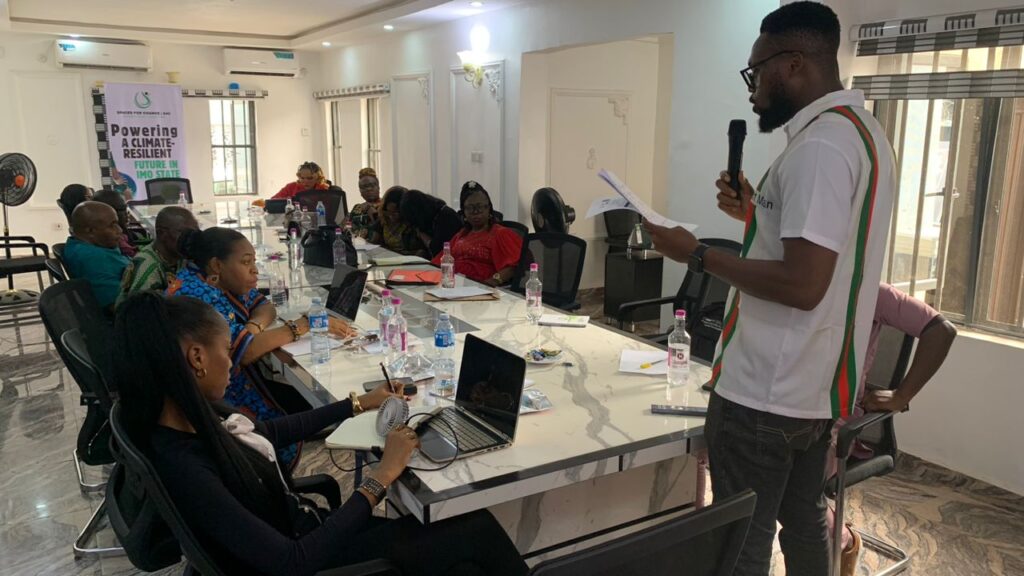
At the Owerri inauguration, committee members were officially charged with providing oversight for the next critical step: translating policy into an actionable plan with clear timelines, institutional responsibilities and measurable indicators. Members present on the day were sworn in and reminded that while policy articulates intentions, an action plan operationalises them.
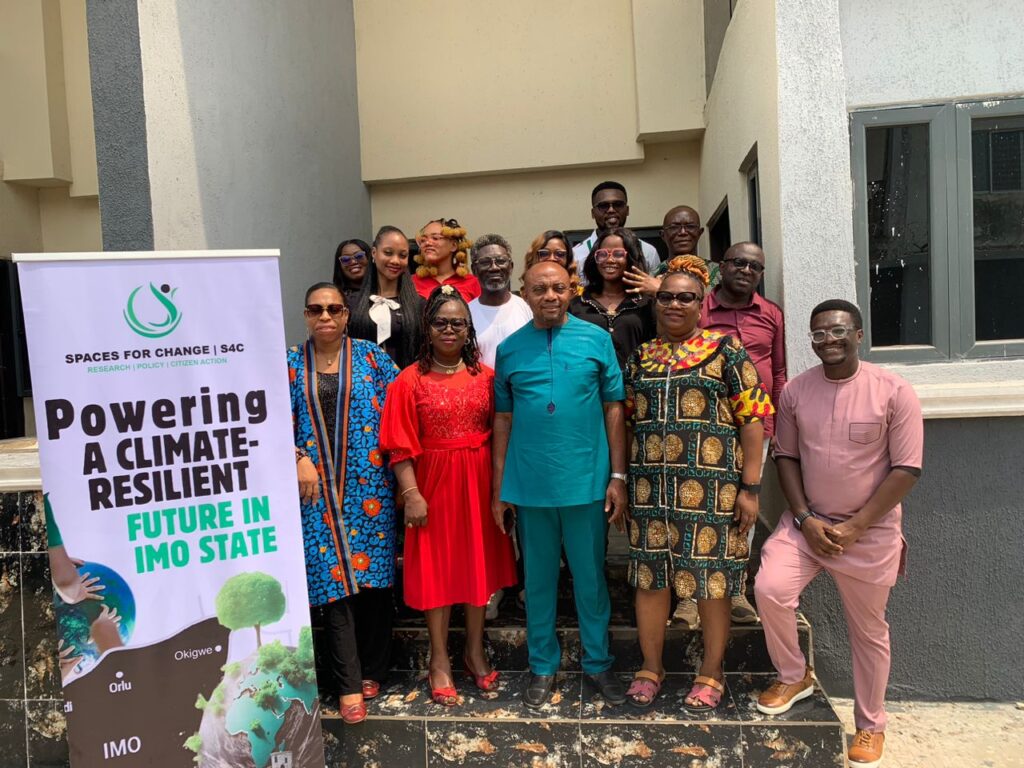
Professor M.N. Obasi, The Chairman of the steering Committee said that the committee represents a crucial bridge between abstract policy commitments and tangible interventions that can reduce environmental risks in the state.
“This is a standing committee setup to bring experts together to develop a working implementation plan that will make existing policies implementable,” he said. Obasi pointed out that ongoing environmental practices such as unregulated burning of refuse and poor waste disposal contribute to greenhouse gas emissions and exacerbate negative outcomes like flooding and food insecurity, underscoring the need for a focused plan of action.
Temple Chukwuemeka, an international development consultant driving the action plan process, said the first task before the committee is a thorough review of policies that align with the climate change framework, followed by a detailed mapping of stakeholders relevant at each stage of implementation.
“We must assess what happens in month one, month two and beyond, ensuring the sequence of activities is logical and comprehensive,” Chukwuemeka said, adding that understanding data needs and support mechanisms will be critical to drafting a credible plan.
He described stakeholder commitment as the biggest challenge, particularly in ensuring that government ministries, agencies and civil society contribute the right information and sustain active involvement.
“If relevant stakeholders, especially in government, see this as essential to sustainable development and commit fully, the process becomes much easier,” he said. “Lack of commitment and meaningful contributions, especially from critical institutions, would hinder our efforts.”
Chukwuemeka expressed confidence that, based on the validated work plan endorsed by the Steering Committee, Imo State can have a functional climate action plan within eight to nine months.
Participants described the inauguration as laying a strong foundation for coordinated climate governance, noting that the committee’s diverse composition reflects an inclusive approach. Once completed, the Imo State Climate Action Plan is expected to guide implementation of the climate policy by highlighting priority projects, activities and processes required to help residents adapt to and mitigate the impacts of climate change.

Stakeholders emphasised that achieving a more resilient Imo will require collective commitment from ministries, departments, agencies, traditional institutions, women’s groups, youth organisations and citizens. The message at the event was clear: only through coordinated action can Imo State realise a sustainable and climate-resilient future.